Dr Forest
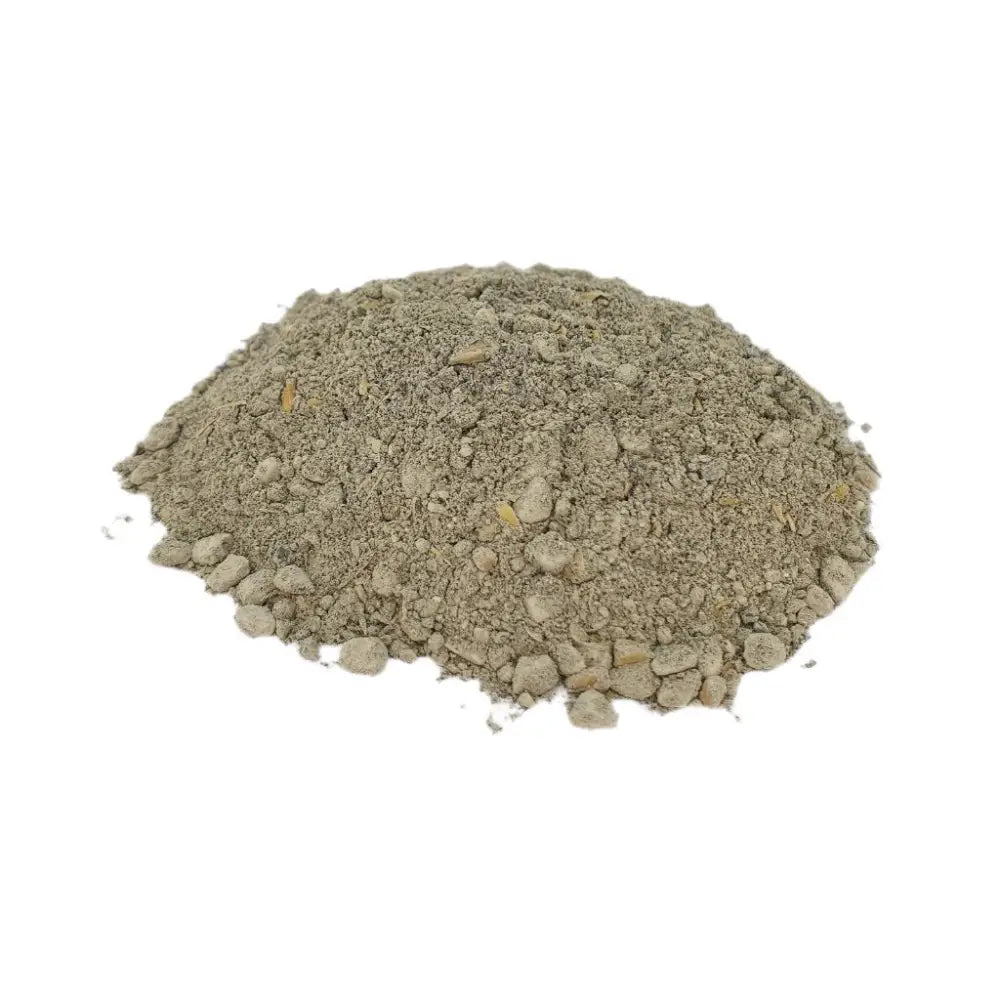
Late Bloom Fertiliser 0-5-10 | Organic PK
Late Bloom Fertiliser 0-5-10 | Organic PK
Couldn't load pickup availability
Late Bloom 0.2-5-10 — designed to maximise flavour, terpenes and aroma
Late Bloom exists for one reason: maximum flavour, terpenes and aroma. It is a mineral-focused PK booster for the final stages of flowering and fruiting — when nitrogen would actively suppress the secondary metabolite production that determines how your crop tastes and smells. At 0.2% nitrogen, this is effectively a zero-N formula that delivers the concentrated potassium, phosphorus and sulphur that drive terpene biosynthesis, sugar accumulation and volatile compound production alongside the highest calcium content in the Dr Forest range at 9%. Thirteen ingredients — dominated by mineral carriers — are formulated specifically for the metabolic shift that happens when fruit stops growing and starts ripening. Not a complete feed. A finishing tool. Handcrafted in Stockport.
Apply Late Bloom 4–5 weeks before harvest — this is the specific window when the plant is transitioning from fruit development to ripening and terpene, ester and volatile compound biosynthesis is accelerating. The low nitrogen allows the phenylalanine pool to redirect into the phenylpropanoid and terpenoid pathways. The limited phosphorus avoids late-stage P excess that can suppress volatile production. The high potassium drives sugar transport and volatile biosynthesis at the exact moment the plant is building its flavour and aroma profile. Do not apply later than 4 weeks before harvest — the plant needs time to process these minerals into terpenes, sugars and volatiles. Feeding too close to harvest leaves unprocessed mineral residue that dulls flavour and aroma complexity.
What Late Bloom is used for
- Maximum terpene and volatile production — near-zero nitrogen allows the plant to redirect phenylalanine and acetyl-CoA into the secondary metabolite pathways that produce terpenes, esters, aldehydes and flavonoids instead of proteins and new growth
- Sugar accumulation and Brix — 10% potassium drives phloem loading of sugars into developing fruit, increasing sweetness, flavour intensity and the sugar substrate that feeds volatile biosynthesis
- Essential oil and resin production — potassium and sulphur from multiple sources provide the enzymatic cofactors and amino acid precursors for the mevalonic acid (MVA) and methylerythritol phosphate (MEP) pathways that produce monoterpenes, sesquiterpenes and terpenoids
- Aroma complexity — trace elements from Basalt Rock Dust and Scottish Seaweed supply the zinc, manganese, iron and copper cofactors that catalyse the final enzymatic steps in volatile compound production
- Calcium for fruit quality — 9% calcium from four mineral sources strengthens cell walls, prevents blossom end rot, improves firmness and extends shelf life
- Final feed before harvest — replaces your Bloom feed for a single application 4–5 weeks before harvest, then all feeding stops to let the plant finish naturally
- Outdoor late-season flavour booster — apply once to tomatoes, chillies, peppers, strawberries and other fruiting crops 4–5 weeks before harvest to concentrate flavour, sugars and aroma compounds
- Enzyme-rich microbial activator — contains Diastatic Malted Barley with active amylase and protease enzymes that accelerate nutrient cycling — making the mineral inputs available faster when speed matters most
Late Bloom vs Bloom 2-8-4
Late Bloom 0.2-5-10 (Flavour & Terpene Finisher)
- Near-zero nitrogen — unlocks terpene and flavonoid pathways
- 10% potassium — drives sugar transport and volatile biosynthesis
- 9% calcium — strongest fruit firmness and shelf life support
- Sulphur from multiple sources — precursor to aroma compounds
- Trace minerals for terpene enzyme cofactors
- Applied 4–5 weeks before harvest — when flavour is made or lost
Bloom 2-8-4 (Complete Bloom Feed)
- 2% nitrogen — maintains plant during the flower stretch
- Balanced PK across the full flowering period
- Contains the full organic nitrogen base for sustained feeding
- Used from flip/pre-flower through to mid-bloom
- Complete feed — carries the entire flowering stage
- Transition to Late Bloom when fruit is fully set
Every batch of Late Bloom is blended by hand in our Stockport unit. Mineral-focused formulation using traceable British ingredients including Yorkshire Polyhalite, Micronised Gypsum and Scottish Seaweed. No slaughterhouse waste. No synthetic chemistry.
All 13 ingredients — mineral-focused for the finishing stage
Late Bloom is deliberately mineral-heavy. Unlike the Veg and Bloom formulas which balance organic N sources with mineral carriers, Late Bloom strips nitrogen to near-zero and loads the formula with the mineral inputs that matter at the finishing stage — potassium for sugar transport, phosphorus for seed development, calcium for fruit quality and sulphur for volatile production.
Phosphorous Meal — Plant-derived, fast-moderate release
The largest single ingredient at 17% of the blend. Delivers 15% phosphorus and 9% calcium. Citric acid soluble — meaning plant roots can access the phosphorus directly through their own root exudates. At the finishing stage, P supports seed maturation, energy transfer via ATP, and the metabolic pathways that drive ripening.
Sulphate of Potash — Mineral, immediate release
16% of the blend. Delivers 50% K₂O in chloride-free, immediately plant-available form. This is the fast-acting K that drives sugar transport, carotenoid production and volatile biosynthesis from the moment it dissolves. At the finishing stage, K availability determines how much sugar reaches the fruit.
Micronised Gypsum (Calcium Sulphate) — Mineral, immediate release
15% of the blend — the largest calcium source. Delivers 23% calcium and 18% sulphur in immediately plant-available sulphate form. At 9% total calcium, Late Bloom delivers more calcium per application than any other Dr Forest product. Calcium strengthens pectin cross-links in cell walls — producing firmer fruit with longer shelf life.
Scottish Seaweed (Ascophyllum nodosum) — Hand-harvested biostimulant
8.5% of the blend — double the amount in the Premium range. Contains cytokinins, auxins, alginic acid and over 60 trace elements. At the finishing stage, seaweed's cytokinin content delays senescence — keeping leaves photosynthetically active longer so more sugar reaches the fruit. Also enhances stress tolerance during the critical ripening period.
Epsom Salt (Magnesium Sulphate) — Mineral, immediate release
7.5% of the blend. 17.7% magnesium and 14% sulphur in immediately available form. Magnesium is the central atom of chlorophyll — maintaining photosynthetic efficiency at the finishing stage when leaves are often beginning to fade. The sulphur fraction drives volatile compound production.
Basalt Rock Dust — Mineral, trace element spectrum
6.5% of the blend. Over 60 trace elements including iron, manganese, zinc, copper, boron and selenium. These are the enzyme cofactors for the secondary metabolite pathways — terpene, ester and aldehyde biosynthesis — that determine the flavour and aroma complexity of the finished crop.
Micronised Rock Phosphate — Mineral, slow reserve
6% of the blend. 31% phosphorus and 46% calcium. The ultra-fine particle size accelerates dissolution compared to standard rock phosphate. Provides a long-release P and Ca reserve that continues to deliver through the final weeks of fruiting.
Diastatic Malted Barley — Enzyme-rich microbial activator
6% of the blend. Germinated barley containing active amylase and protease enzymes that break down starches and proteins in the soil into plant-available sugars and amino acids. Accelerates microbial nutrient cycling — making the mineral inputs in this formula available faster. Also contains natural auxins and gibberellins. Exclusive to the Veg, Bloom and Late Bloom range.
Yorkshire Polyhalite — North Yorkshire, slow release 50–60 days
5% of the blend. K, Ca, Mg and S from a single crystal. The slow-release profile extends potassium and calcium supply beyond the immediate availability of SOP and Gypsum — ensuring no nutrient gap during the final weeks.
Nitrogen Plant Extract — Plant-derived, minimal N
4% of the blend at 12% N — contributing just 0.48% to the formula total. This trace amount prevents complete nitrogen starvation which would cause premature leaf drop and shut down photosynthesis before the fruit is ready. Enough to keep the plant functional, not enough to drive new growth.
Potassium Mineral — Mineral, slow release
4% of the blend. A secondary potassium source providing 11% K in a slow-release mineral form. Extends the K supply window beyond the immediate availability of Sulphate of Potash.
Biochar — British, activated carbon scaffold
3.5% of the blend. Permanent porous carbon with up to 300m² internal surface area per gram. Provides habitat for beneficial microorganisms and increases potassium retention by 18–35% under leaching conditions. Particularly valuable in containers where frequent watering can flush soluble K out of the root zone.
Humic & Fulvic Acid — Mineral organic, chelation
1% of the blend. Fulvic acid chelates micronutrients into plant-available complexes. Humic acid increases CEC and stimulates microbial activity. Small inclusion, outsized impact on trace element availability at the critical finishing stage.
How to use Late Bloom: application rates & timing
Late Bloom is not a feed you apply repeatedly through flowering. It is a single application made 4–5 weeks before harvest — replacing your Bloom feed for that one top dress, then all feeding stops. The plant needs those 4–5 weeks to process the potassium, phosphorus and sulphur into the terpenes, sugars and volatile compounds that define flavour and aroma. Applying Late Bloom closer to harvest leaves unprocessed mineral residue that dulls flavour complexity. For the main flowering period, use Dr Forest Bloom 2-8-4 or 2-8-10.
Application rates
Top dressing — indoor containers
2ml/L for autoflowers and light feeders — entering the volatile production zone. 3ml/L for standard feeding — solidly in the volatile zone. 4ml/L for maximum terpene and flavour production — peak K delivery for sugar transport and volatile biosynthesis. Sprinkle on the soil surface and water in. For a 20-litre pot at 3ml/L, that is approximately 4 tablespoons. This is the last feed before harvest — do not apply additional fertiliser after this point. The plant needs 4–5 weeks to process these minerals into terpenes, sugars and aroma compounds.
Outdoor beds — fruiting crops
Apply to tomatoes, chillies, peppers, strawberries and other fruiting crops when fruit is set and beginning to colour. 75g/m² when supplementing an existing Bloom programme. 100g/m² for standard finishing. 150g/m² for maximum flavour, sugar and volatile concentration. Scatter evenly and work into the top 5cm. Water deeply. This is the last feed — the crop needs 4–5 weeks to convert these minerals into flavour and aroma.
Coco coir substrates
Coco requires the upper end (3–4ml/L) and more frequent application. Ensure coco is pre-buffered with cal-mag. Add worm castings or compost at 20–30% of the mix to provide the biology that breaks down organic matter. Heavy runoff flushes dry amendments out of the root zone.
When to start Late Bloom
Indoor growing
- Apply Late Bloom once, 4–5 weeks before harvest
- This replaces your Bloom feed for that single application
- Do not feed again after the Late Bloom application
- The plant needs 4–5 weeks to process minerals into terpenes and aroma
- Feeding closer to harvest leaves unprocessed residue that dulls flavour
Outdoor fruiting crops
- Apply once, 4–5 weeks before you expect to begin harvesting
- Tomatoes: when first truss is colouring and remaining trusses are set
- Chillies: when first fruit shows colour change
- Strawberries: 4–5 weeks before main picking begins
- Do not feed again after application — let the crop finish on its own
Use after Dr Forest Bloom 2-8-4 or Bloom 2-8-10 as the main flowering feed. Supplement with Dr Forest Cal-Mag throughout the grow. Add Seaweed Powder as a fortnightly foliar for additional cytokinin and trace element delivery. See our feeding schedule for the full programme.
Use dechlorinated water. Chlorine and chloramine kill the beneficial soil microbes that break down organic matter and deliver nutrients. Leave tap water to stand for 24 hours, use a carbon filter, or add a dechlorinator.
The science of flavour: why near-zero nitrogen and high PK maximises terpenes, sugars and aroma
The final stage of fruit and flower development is when flavour and aroma are made or lost. The plant has stopped building structure and is directing metabolic energy into terpene biosynthesis, sugar accumulation, volatile compound production, essential oil synthesis and carotenoid pigmentation. Every one of these pathways is enhanced by potassium, sulphur and trace minerals — and every one is suppressed by excess nitrogen. Late Bloom is formulated around this biochemistry.
Mechanisms of action
Nitrogen restriction unlocks terpene and flavonoid biosynthesis
When nitrogen supply drops, the plant redirects its metabolic budget. Phenylalanine is diverted from protein synthesis into the phenylpropanoid pathway — producing more flavonoids, anthocyanins and phenolic compounds. Acetyl-CoA and pyruvate — normally consumed by amino acid synthesis — become available for the MVA and MEP pathways that produce monoterpenes (myrcene, limonene, pinene), sesquiterpenes (caryophyllene, humulene) and terpenoids (linalool, terpineol). Sugar that would have been used for new growth accumulates in fruit instead. Essential oil production intensifies as the plant's defensive chemistry ramps up. This is the biochemistry behind the universal observation that flavour and aroma peak when growth slows.
Potassium drives sugar transport into fruit
Potassium activates sucrose synthase and drives phloem loading — the active transport of sugars from leaves into developing fruit. At 10% K, Late Bloom provides the potassium concentration needed for maximum sugar delivery during the critical final weeks. Higher Brix, higher fructose, and more substrate for volatile ester and aldehyde biosynthesis.
Calcium strengthens fruit structure
9% calcium from four mineral sources. Calcium cross-links pectin molecules in cell walls, producing firmer fruit that resists bruising, cracking and post-harvest deterioration. Continuous calcium supply during fruit expansion prevents blossom end rot — the most common calcium-related disorder in tomatoes, peppers and courgettes.
Phosphorus for energy transfer and seed development
5% phosphorus supports ATP synthesis — the energy currency that powers the metabolic pathways of ripening. P also drives seed maturation within the fruit, which triggers the hormonal cascade of ethylene-mediated ripening.
Sulphur and volatile aroma compounds
Sulphur from Polyhalite, SOP, Gypsum and Epsom Salt. Sulphur-containing amino acids (methionine, cysteine) are precursors to many key volatile compounds in fruit and flowers. S also drives carotenoid biosynthesis — the pigments responsible for red, orange and yellow fruit colour.
Enzyme-accelerated nutrient cycling
Diastatic Malted Barley provides active amylase and protease enzymes that accelerate the breakdown of organic matter in the soil, making the mineral inputs in this formula available faster. At the finishing stage, speed of nutrient delivery matters — the plant needs K and Ca now, not in 6 weeks.
References
- Marschner, P. ed. (2012). Marschner's Mineral Nutrition of Higher Plants, 3rd ed. Academic Press.
- Wang, M. et al. (2023). Combined organic-mineral fertilisation meta-analysis (7,859 data pairs). Field Crops Research.
- Nardi, S. et al. (2009). Humic substances: chemical and biological activity. Soil Biology & Biochemistry, 41, 2164–2175.
- Lehmann, J. et al. (2011). Biochar effects on soil biota. Soil Biology & Biochemistry, 43, 1812–1836.
- Shukla, P.S. et al. (2019). Ascophyllum nodosum-based biostimulants. Frontiers in Plant Science, 10, 655.
- Johnston, A.E. & Dawson, C.J. (2018). Polyhalite as a multi-nutrient fertiliser. Proc. 826, Int. Fertiliser Society.
- Li, J. et al. (2024). Organic fertilisation upregulates starch and sucrose metabolism genes. Nature Scientific Reports, 14.
Frequently asked questions about Late Bloom 0.2-5-10
Share